It’s More Than Just Picking Up Trash. It’s a Movement.
We’ve all seen the images of plastic pollution, but looking away won’t fix it. If you want to know how to organize a beach clean-up that is safe and effective, you are in the right place. The only cure for eco-anxiety is Action.
However, a truly effective clean-up isn’t just about walking around with a trash bag. If not managed correctly, clean-ups can actually generate more waste or disturb local wildlife.
To bring you the best possible advice, we’ve adopted the professional protocols of our partners at Mingas por el Mar (https://www.mingasporelmar.org/). Their proven methodology turns volunteers into citizen scientists. (And a massive thank you to Amigos del Mar (https://amigosdelmar.org/)for their continued support in pushing this mission forward!).
Ready to turn the tide? If you were wondering how to organize a beach clean-up that is safe and sustainable, just follow these ten professional steps.
Phase 1: The Logistics (3 Weeks Before)
Step 1. Pick the Right Date & Tide
● Weekends work best: Saturday or Sunday mornings usually get the highest turnout.
● Check the Tides (Critical): Always schedule your clean-up during low tide. Ideally,
start 1.5 hours before the lowest point. If the tide is high, the trash is underwater or
dangerous to reach. Avoid times that are too early (dark) or too late (mid-day heat).
Step 2. Scout the “Meeting Point”
Don’t just pick a spot on the map. Visit it first.
● Truck Access: Can the municipal trash truck get close? You do not want to carry
200kg of heavy sacks across 500 meters of soft sand.
● Shade: Is there a roof, trees, or space for a tent? You need a “Base Camp” for
registration and sorting.
● Centrality: Choose a spot that allows you to clean a large stretch of beach in both
directions.
Step 3. Build Your Core Team
Do not do this alone. Recruit a group of friends to be your
“Support Crew.” You will need them to manage the station while you manage the people.
● Partner Up: Contact local surf clubs, schools, universities, and local government.
Involving the community ensures the beach stays clean after you leave.
Step 4. The Golden Phone Call
Contact your local waste management or municipality 2 weeks in advance. Confirm that a truck will pick up the waste. Pro Tip: Ask the truck to arrive 30 minutes before your event ends so volunteers can help load the sacks.
Phase 2: The Gear (Zero Waste & Safety)
Step 5. Sustainable Supplies
The irony of many clean-ups is that they create trash (plastic bags, plastic water bottles). We do it differently:
● Sacks: Use reusable jute sacks, rice bags, or heavy-duty buckets.
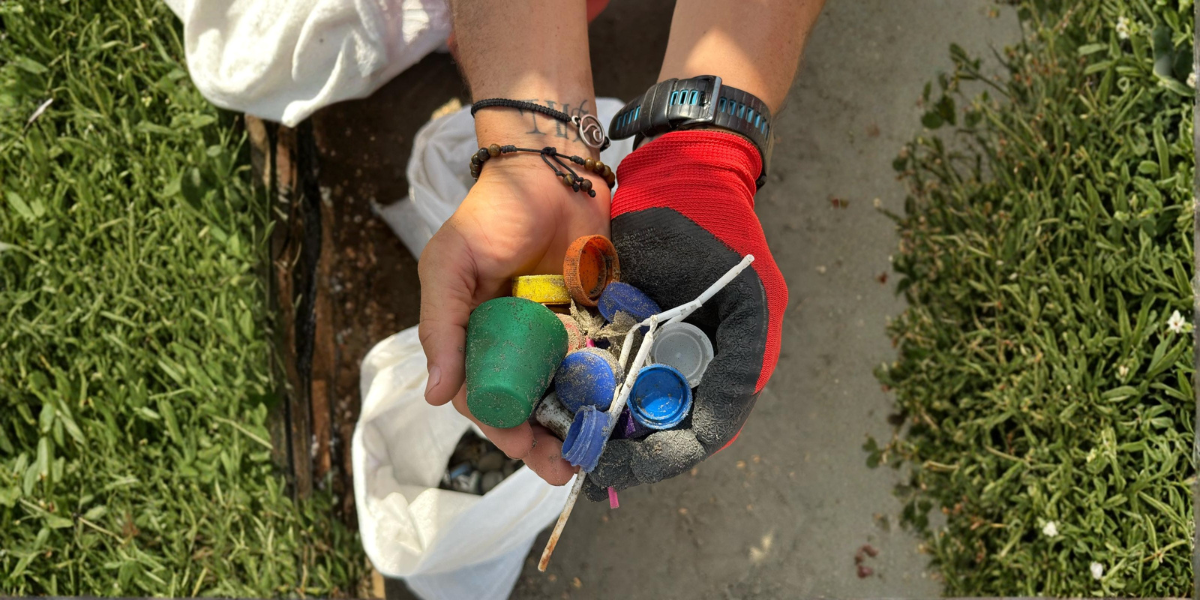
● Gloves: Encourage “Bring Your Own.” If you provide them, use washable gardening gloves. OceanPulse Tip: Give only one glove per person (for the dominant hand) to reduce waste and consumption.
● Hydration: No plastic bottles! Bring 2-3 large 20L water jugs and ask volunteers to bring their own reusable bottles/cups.
● Snacks: Avoid packaged food. Go for “Zero Plastic” snacks like whole fruits (watermelons, bananas, oranges) that come in their own natural biodegradable packaging.
Phase 3: The Execution (On the Day)
Step 6. Arrival & Safety Check
Arrive one hour early.
● Scan the Beach: Look for new risks (high waves, cliffs, sharp objects).
● Connectivity: Ensure you have cell phone reception in case of emergency.
● Set up “Base Camp”: Set up the registration table, water station, and First Aid kit.
Step 7. Organization: Divide and Conquer
Split your Core Team into two units:
● Base Team: Stays at the meeting point. They handle water, receive full sacks, weigh the trash, and ensure detailed sorting.
● Field Team: Walks the beach with volunteers, guiding them on what to pick up and keeping spirits high.
Step 8. The Briefing (The Most Important 5 Minutes)
Before anyone touches the sand, gather the group.
● Education: Explain why we are here. It’s not just cleaning; it’s about data and awareness.
● Safety: Warn about glass, syringes, and sharp objects. Minors must be accompanied by adults.
● Respect Nature:
○ Do NOT pick up: Driftwood, shells, seeds, or algae. This is biomass, not trash.
○ Dead Animals: If you find a dead animal, do not move it. Bury it in the sand. It is part of the ecosystem.
○ Turtle Nesting: If you are in a turtle nesting zone, do not stick poles in the sand or walk on the high dunes.
Step 9. The Clean & Sort (Max 3 Hours in Total)
Limit the cleaning time to max. 3 hours to prevent burnout.
● The System: Send volunteers out in pairs.
○ Sack 1: Recyclable material (Plastic bottles, hard plastics, glass—if not broken).
○ Sack 2: General trash (Dirty wrappers, broken bits, styrofoam).
● Recycling Rules: Know your local rules (like in Ecuador, where usually only PET #1 and Rigid HDPE #2 are accepted). Note: Do not collect broken glass or oil containers for recycling.
Phase 4: The Impact
Step 10. Celebration & Content Creation
The work on the sand is done, but the message needs to travel. Don’t just take one photo. Tag OceanPulse_Community in your content.
● The “Money Shot”: Yes, get the classic group photo with the mountain of trash bags.
● Tell the Story (Video): Film a time-lapse of the pile growing. Record a 15-second “weirdest find” interview with a volunteer. Create a high-energy “Before vs. After” Reel.
● Why it matters: Dynamic video content travels further than static photos. Show the fun and the impact to recruit the next wave of volunteers.
● The Handover: Ensure the truck takes the trash and the recyclables go to the correct facility.
✅ The OceanPulse Captain's Checklist
2 Weeks Before:
[ ] Scout the location (check parking, shade, truck access).
[ ] Confirm low tide time.
[ ] Contact Municipality to confirm trash pickup.
[ ] Design flyer and post “Save the Date”.
[ ] Invite local partners (Surf schools, Hotels) to co-host.
3 Days Before:
[ ] Check the weather forecast.
[ ] Send reminder to WhatsApp group / Social Media.
[ ] Gather equipment:
[ ] Reusable sacks / Buckets
[ ] Heavy-duty gloves (clean & ready)
[ ] Scale (luggage scale works best)
[ ] First Aid Kit
[ ] Sharps container (hard plastic bucket for glass/needles)
[ ] Data Cards & Clipboards/Pens
[ ] Water dispenser (Full)
[ ] Zero-waste snacks (Fruits)
On the Day:
[ ] Arrive 45 mins early to set up “Base Camp”.
[ ] Brief volunteers (Safety, Biodiversity, Sorting rules).
[ ] Clean & Sort!
[ ] Weigh the trash and fill out Data Cards.
[ ] Take the “After” photo with the group.
[ ] Ensure the trash is loaded onto the truck.
[ ] Post results to social media and tag @OceanPulse_community